
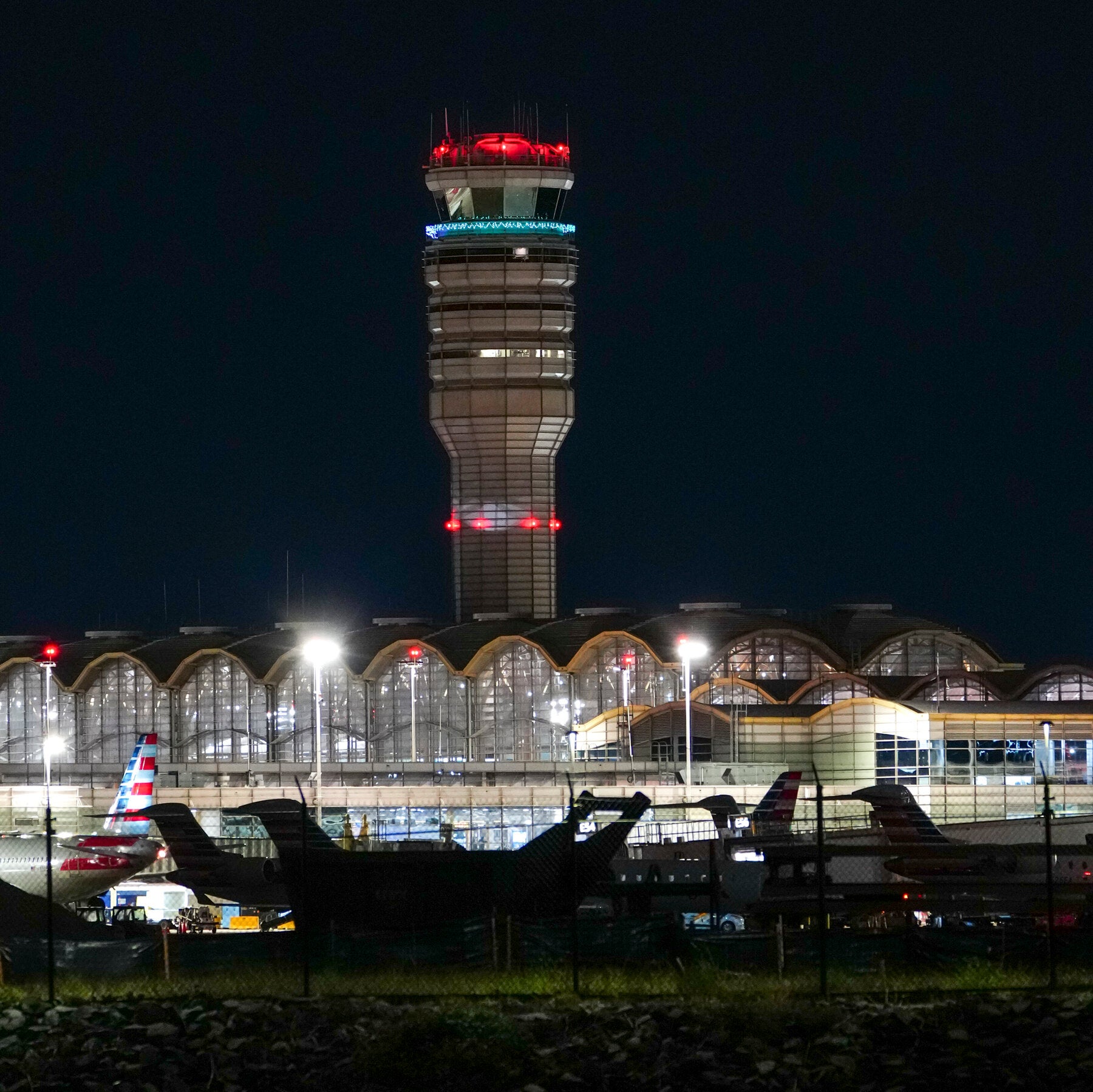
The ground stop that brought air travel across the country to a halt Friday evening highlighted persistent weaknesses in the Federal Aviation Administration’s aging air traffic control infrastructure, which has had several disruptive failures in recent months.
Two months ago, a circuit failure and severed fiber optic cable caused crippling ground stops and delays at airports along the East Coast. Smaller outages unfolded in October at Raleigh-Durham International Airport in North Carolina and George Bush Intercontinental Airport in Houston, when contractors accidentally cut into fiber line.
The Friday ground stop, which was only the third the F.A.A. has issued this century, eclipsed the fallout of previous air traffic communications equipment failures. Officials said it was prompted by efforts to replace an outdated router, which caused circuits in the national air traffic network to become overloaded and fail, interrupting communication lines between air traffic controllers and pilots.
By Saturday, thousands of flights had been canceled, and airports were still crowded with stranded travelers. The recovery will most likely take days, as airlines rebook passengers and reposition planes.
Friday’s breakdown, and the earlier episodes, have underscored the structural vulnerabilities that hamper controllers’ ability to safely manage flight traffic, even after improvements. And they have raised questions about whether federal authorities have done enough to create backup systems to prevent disruptive or catastrophic failures.
Friday’s incident touched off a blame game in Washington. Sean Duffy, the transportation secretary, accused Congress of failing to pony up for systemwide upgrades.
Thank you for your patience while we verify access. If you are in Reader mode please exit and log into your Times account, or subscribe for all of The Times.
Thank you for your patience while we verify access.
Already a subscriber? Log in.
Want all of The Times? Subscribe.