
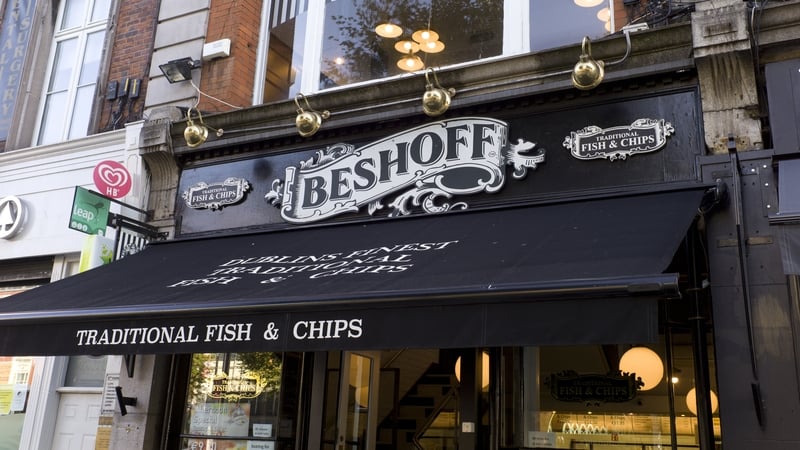
A Turkish worker has said she was discriminated against and made to feel like “rubbish” when her bosses at the Beshoffs fish and chips chain refused the annual leave she sought for her own wedding.
The employee, Zerha Fidan, has accused Beshoff Brothers operating company Glendalon Ltd of giving EU nationals better pay, preferential shift allocations and priority for annual leave, in breach of the Employment Equality Act 1998.
She told the Workplace Relations Commission she could not quit her job as a counter assistant at its restaurant in Clontarf, Dublin 3, even after being denied leave for the wedding – because her residency entitlements in Ireland were tied to her employment.
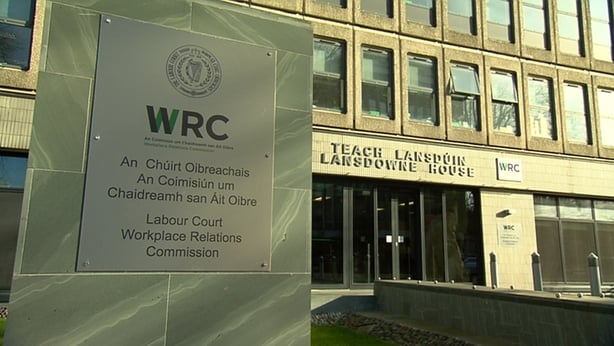
Her lawyers argue she was discriminated against on the grounds of race in breach of the Employment Equality Act, a claim being disputed by the restaurant group at the WRC.
Ms Fidan started work at Beshoffs in November 2022, shortly after arriving to Ireland, and worked at various locations before being sent to work at its Clontarf restaurant, she told the WRC last week.
Ms Fidan’s evidence was that when the National Minimum Wage was raised to €12.70 at the start of 2024, she was kept on this rate until August that year, despite two colleagues – both EU nationals – at the shop getting a higher hourly rate.
She said the higher hourly pay for the other two workers was “hidden from me” and only disclosed “accidentally” by one of the women.
The business’s position was that one of the other workers was a supervisor and the other was performing the duties of a supervisor. However, Ms Fidan said both were doing the same job as she was.
Ms Fidan said she had gone to her manager in November 2024 after getting engaged and asked for time off in September the following year. His response then was “oh, you didn’t invite me,” she said.
She wrote to her manager in February 2025 seeking four weeks off that September, a fortnight as annual leave and a fortnight as unpaid leave, she said.
There was no answer from the manager at that point, and she then wrote to the business’s general manager, Bridget Starbuck, asking about leave for September that year, she said.
Asked how she felt when Ms Starbuck gave no reply, she said: “Rubbish. Who am I, of course?”
She said the company did not grant her the leave she sought.
The shop manager said later that another member of staff had booked time off clashing with her wedding, Ms Fidan said.
She said that having sought a day off for the sixth anniversary of her father’s death in March 2025, the roster was set so that she was required to work for 10 days straight.
This, she said, was “a punishment” for “talking about my salary, my wedding, and I wanted one Saturday off – you know, I am asking every day, every time”.
She said that after the 10-day run of shifts, she suffered a panic attack at work.
“They wouldn’t reply to my emails, they couldn’t answer my questions. I was kind of invisible for them. They wouldn’t take anything seriously, and then on top of it, I worked 10 days,” she told the WRC.
“I was very anxious and I couldn’t control myself and was crying so badly,” she said.
She said a member of staff from the office came and told her that because she was crying she had to “go, right now”.
“Take your clothes, take your coat, do it, clock out and go,” she quoted the other employee as saying.
Asked by her barrister what had triggered this, Ms Fidan said it was that she was feeling like “rubbish”.
Ms Fidan’s doctor placed her on medical leave after that, and suggested in June 2025 that the complainant could go back to work if there were reduced hours, flexibility on start and finish times, and a “calm” working environment, the hearing was told.
Ms Starbuck had replied to the medical letter saying the business could not accommodate Ms Fidan’s return to work on that basis “due to the nature of the role”.
The hearing was told a complaint was filed with the WRC after that.
Ms Fidan#s barrister, Conor Duff BL, said his client’s employment under a work permit was governed by a deal between Ireland and Turkey under which if she built up three years of service with the same employer she could transfer to a stamp four visa status – opening a path to Irish citizenship and freedom to move between employers.
Ms Fidan’s evidence was that the terms of her visa meant she could not quit the job.
Jenny Wakely of Anne O’Connell Solicitors is for the respondent in the matter.
The case stands adjourned and is not expected to resume before the New Year.