Updated / Friday, 16 Oct 2026 18:05

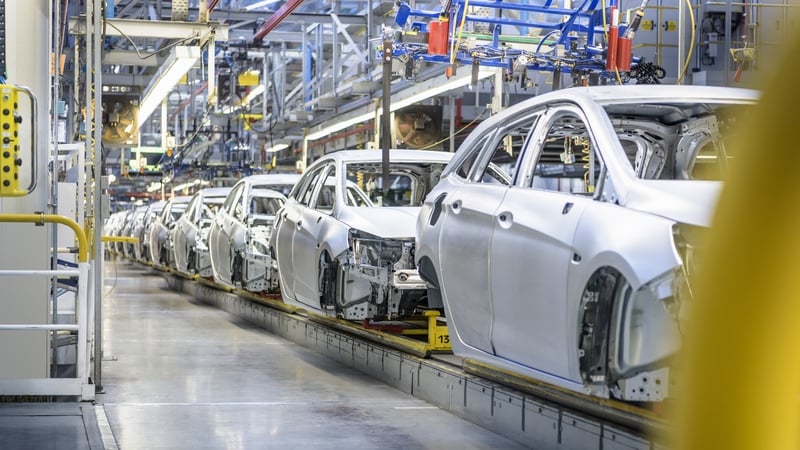
France and Germany confirmed today that they had reached a deal aimed at protecting Europe’s struggling automotive sector, with agreements on the flashpoint issues of EU car emissions and “made in Europe” components.
The pact, which is likely to shape European Union policy going forward, envisages further relaxing of CO2 emission rules and the inclusion of Britain in a public procurement scheme to bolster European car industries.
“Our shared ambition is clear: to successfully transform our automotive industry while maintaining our climate ambition and ensuring that the cars of the future are produced in Europe,” the French and German governments said in a statement.
Paris and Berlin had been at loggerheads on the course Europe should take as it tries to revive a sector that accounts for 13 million jobs and 7% of the bloc’s collective GDP.
Germany wanted less stringent carbon emission targets for carmakers and a broad interpretation of “made in Europe” requirements to include key non-EU trade partners.
France had pushed to preserve the bloc’s climate ambitions and to keep the “made in Europe” public procurement scheme the purview of EU nations.

Berlin won the first argument while Paris carried the day on the latter.
“France and Germany propose a comprehensive package that combines an ambitious European decarbonisation pathway with the regulatory flexibility needed to reflect different market realities and technological conditions,” the statement said.
“It also provides concrete incentives for investment, research and development, European production, and resilient supply chains.”
The deal makes it easier for carmakers to reach a proposed EU target requiring them to cut exhaust emissions from new vehicles by 90% from 2021 levels by 2035.
It also narrows the definition of “made in Europe” proposed by the European Commission to the EU’s 27 countries, with an opt-in for a handful of others, notably Britain and Norway, under certain conditions.
The pact will need backing from other EU states and the European Parliament to become law, but carries weight given the economic heft of the two signatories.