
The Communications Regulator ComReg has recommended that Ireland should prepare for how public service media would be delivered if the traditional Digital Terrestrial Television (DTT) service were to be switched off or reduced.
The recommendation is part of a new report from ComReg on TV viewing trends and the future of the radio spectrum needed to provide the traditional DTT service.
Digital Terrestrial Television (DTT) includes the Saorview TV platform of RTÉ.
The service provides free-to-air television channels using terrestrial, land-based transmitters to broadcast digital signals, with viewers accessing this free service using an antenna or an aerial.
“Television consumption is increasingly moving online, supported by expanding gigabit broadband availability and growing use of internet-based TV and streaming services,” ComReg said.
The regulator said that the purpose of the report is to inform its planning to ensure the efficient use of the valuable radio spectrum resource and to assist stakeholder discussions on the future role of DTT and free-to-air television broadcasting.
The report includes research on TV consumption which asked people about the primary device they use to watch content at home.
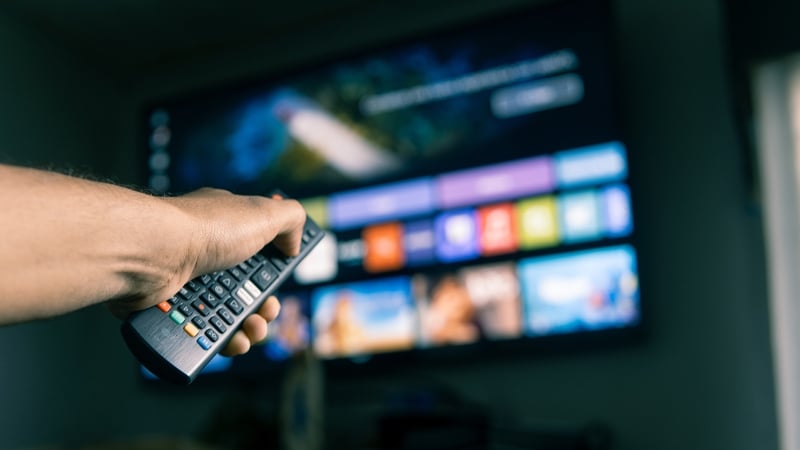
Smart TVs were the top devices, used by 71% of respondents. This was followed by traditional TVs on 18%. Next came laptops and smartphones, both on 5%.
Traditional TVs are defined as television sets that receives programming through cable, satellite, or over-the-air signals that do not have built–in internet connectivity or streaming apps.
A Smart TV is defined as a television set that has the same features of traditional TVs but with built-in internet connectivity allows users to access streaming apps directly.
The research was conducted by Ipsos B&A and was based on a survey of more than 1,000 TV decision makers in the household.


