
A Galway hospitality firm which dismissed a manager just 11 days after she suffered a miscarriage, before trying to claim that maternity protection law didn’t apply since she wasn’t pregnant any longer, has been ordered to pay her €25,000.
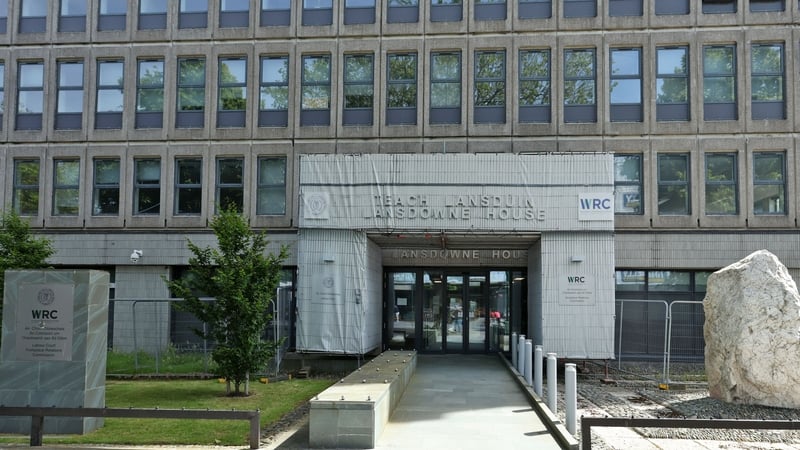
Fadeside Ltd, a subsidiary of the Connacht Hospitality Group, has been ordered by the Workplace Relations Commission (WRC) to pay the sum to a former manager at the Residence Hotel and 1520 Bar in Galway City for terminating her employment in October 2023 on the stated basis of underperformance.
The case was said to be the first time a worker sought to have the minimum service requirements of the Unfair Dismissals Act 1977 set aside under maternity protection law in the circumstances of a miscarriage.
The complainant fell ill and was admitted to A&E on 28 September 2023, and found out then that she had been pregnant and was having a miscarriage, she said in evidence to the tribunal.
At the time, she was just under 11 months into a new €60,000-a-year job as general manager at the hotel and bar in Galway’s Latin Quarter.
She said that after phoning in sick, the group HR manager, Jackie O’Dowd, reached her by phone and said the miscarriage “would make [the complainant] want to have a baby even more”. Ms O’Dowd denied making the remark at the WRC.
The complainant said she told Ms O’Dowd in reply that getting pregnant was not something she had planned.
Having returned to work in the first week of October 2023, the worker met with her line manager, Wayne Neilon, telling the WRC she wanted to discuss her working hours and other business maters, she said.
The complainant said Mr Neilon told her at the meeting that it was “not going to be an easy conversation”, and proceeded to tell her she “did not have the core competencies” for the job.
She then said she started to cry, and when she became more upset, Mr Neilon muttered to her: “Stop it,” the complainant said.
Ms O’Dowd then arrived and asked whether the complainant wanted to resign, remarking that perhaps she “needed a break” because of the miscarriage, the complainant said.
She was told at this meeting that her probation would not be extended and received a letter of dismissal citing “work performance” the following day, the tribunal was told.
The firm’s solicitor, Pat Mullins of O’Flynn Exhams LLP, failed in an attempt to have the case thrown out in March 2025 by arguing that enhanced workplace protections under the Maternity Protection Act did not extend to the complainant.
At the time of the dismissal, the complainant was not, in fact, pregnant, and I say it is a substantial stretch of the interpretation of that part of the act to state that it includes a previous miscarriage,” Mr Mullins said.
Counsel for the worker, Ian FitzHarris BL, who was led by Orlaith J Byrne & Co in the matter, said the sacking was just 11 days after the pregnancy loss, his client having worked just five more days after her absence, he said.
“Five days and then they sacked her. The phrase in the legislation is ‘pregnancy-related matters’,” counsel said.
Adjudicator Louise Boyle rejected the respondent’s stance on maternity rights. “It is not in dispute that a miscarriage arises from pregnancy,” she wrote.
“I find that in all the circumstances it lacks credibility that the complainant’s employment was terminated for poor performance,” she wrote.
She concluded the respondent had failed to demonstrate there were the “exceptional circumstances” required to dismiss a worker entitled to maternity protections and awarded €25,000 for unfair dismissal.


