Analysis: Consumers may gain greater certainty and rights, but it’s possible that some of those benefits will ultimately be funded through higher ticket prices
After 13 years of negotiations, a political agreement has finally been reached to modernise and strengthen protections for air travellers across the European Union.
The agreement covers everything from compensation claims and rerouting rights to family seating, assistance for passengers with disabilities and greater transparency around ticket pricing. For consumers, it looks like a significant victory. It also offers a reminder that when the EU chooses to act, it has the power to reshape markets.
Why the rules needed reform
Few countries in Europe rely on aviation as heavily as Ireland. As an island nation on the western edge of Europe, air travel is not simply a convenience, but a vital connection to family, business, tourism and trade. Unlike many continental countries, Ireland cannot rely on rail or road links to provide alternatives when flights are disrupted. As such, air passenger rights have often become one of the most visible examples of European consumer protection.
We need your consent to load this rte-player contentWe use rte-player to manage extra content that can set cookies on your device and collect data about your activity. Please review their details and accept them to load the content.Manage Preferences
From RTÉ Radio 1’s Morning Ireland, Travel Extra editor Eoghan Corry discusses proposed changes to EU consumer law which means airlines will be legally obliged to seat families with children together on flights without paying extra fees
EU air passenger rights have existed since 2004 and are widely regarded as one of the strongest passenger protection regimes in the world. However, the original legislation generated years of legal disputes over what airlines owed passengers, how compensation should be calculated and what counted as “extraordinary circumstances” beyond an airline’s control.
Successive court rulings gradually expanded and clarified passenger rights, but they also created uncertainty for airlines and consumers alike. In response, the European Commission proposed reforms as far back as 2013.
What consumers are gaining
The new framework strengthens rights in several important ways, introducing new protections against practices that have long frustrated consumers. Passengers will receive clearer information about delays and cancellations, while airlines will face stricter timelines for handling compensation claims.
We need your consent to load this rte-player contentWe use rte-player to manage extra content that can set cookies on your device and collect data about your activity. Please review their details and accept them to load the content.Manage Preferences
From RTÉ News’ Behind the Story podcast, what to consider before booking a flight
Rights to meals, refreshments, accommodation and communications during disruptions are also clarified and strengthened. One of the most significant changes concerns rerouting. If an airline cannot offer a suitable alternative route within three hours of a cancellation or denied boarding, passengers can arrange their own transport and seek reimbursement.
Families, pregnant passengers, children travelling alone and passengers with disabilities will gain stronger protections, including enhanced rights to sit together without additional charges. For passengers with reduced mobility, the agreement introduces additional rights relating to assistance, compensation and mobility equipment.
The reforms also seek to make ticket pricing more transparent. Air fares that include cabin baggage allowances will need to be displayed by default before booking begins, making it easier for consumers to compare offers between airlines. This reflects a broader trend in consumer protection policy aimed at ensuring advertised prices more accurately reflect what consumers will ultimately pay.
We need your consent to load this rte-player contentWe use rte-player to manage extra content that can set cookies on your device and collect data about your activity. Please review their details and accept them to load the content.Manage Preferences
From RTÉ Drivetime, could airline baggage charges be banned?
Why did it take 13 years?
The length of the negotiations reflects a tension that runs through many areas of regulation. Consumers generally want stronger protections, while businesses generally want greater flexibility and lower compliance costs. In aviation, those competing interests are particularly intense. Airlines operate on thin margins, face external shocks ranging from weather events to air traffic control disruptions and argue that excessive regulation ultimately raises costs without addressing the underlying causes of delays.
Consumer advocates, meanwhile, have long argued that passengers often struggle to exercise rights that already exist, particularly when compensation claims are difficult to navigate or when charges are presented in ways that obscure the true cost of travel. The new agreement attempts to strike a balance between those competing concerns by clarifying obligations and making rights easier to enforce. Yet it also raises a broader economic question as to who ultimately pays for stronger consumer protections?
Why not everyone is celebrating
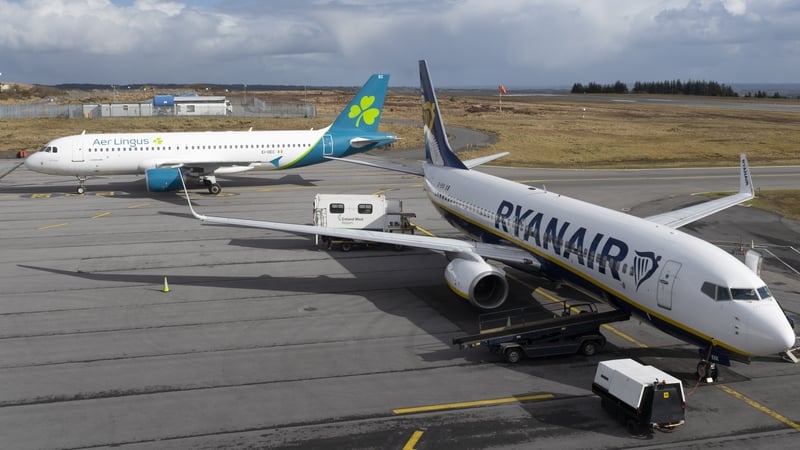
Not surprisingly, some airlines are unhappy. Ryanair has criticised the new rules, particularly the requirement that fares including cabin baggage allowances be displayed upfront. The airline argues that most passengers choose its lowest fares and that requiring baggage-inclusive pricing to be shown by default risks making fares appear higher than they actually are.
We need your consent to load this rte-player contentWe use rte-player to manage extra content that can set cookies on your device and collect data about your activity. Please review their details and accept them to load the content.Manage Preferences
From RTÉ Radio 1’s Drivetime, travel expert Simon Calder on how airlines at hitting back at the EU over planned reform of consumer rights
The International Air Transport Association (IATA) has been even more critical. It argues that the reforms do little to address the root causes of delays, many of which stem from Europe’s air traffic management system rather than airline operations. According to IATA, the revised rules add regulatory costs and operational burdens without materially improving punctuality or reducing disruption.
This criticism reflects a well-established principle in economics known as the theory of incidence. While regulations may impose obligations on businesses, the economic costs are often shared between firms and consumers. In competitive industries with relatively thin profit margins, businesses frequently pass at least some compliance costs on through higher prices.
That does not mean stronger consumer protections are undesirable. Rather, it highlights the trade-off policymakers face. Consumers may gain greater certainty, easier compensation claims and stronger rights during disruptions, but some of those benefits may ultimately be funded collectively through slightly higher ticket prices.
We need your consent to load this rte-player contentWe use rte-player to manage extra content that can set cookies on your device and collect data about your activity. Please review their details and accept them to load the content.Manage Preferences
From RTÉ Radio 1’s Drivetime, UK watchdog investigates Ryanair over fees to seat parents with children
The debate also extends beyond compensation. Over the past two decades, low-cost carriers have built highly successful business models around ancillary revenues from seat selection, baggage charges and priority boarding. Research from the UBC Sauder School of Business suggests consumers are often more willing to purchase upgrades when costs are presented as smaller add-ons rather than incorporated into a larger upfront price. Regulators increasingly view this as a transparency issue, while airlines see it as a legitimate pricing strategy that helps keep headline fares low.
A lesson in the EU’s consumer power
Ultimately, the new passenger rights agreement demonstrates that the EU remains capable of imposing meaningful consumer protections on powerful industries, even when those industries resist. Thirteen years is a long time to wait for reform, but the agreement illustrates how European institutions can still reshape markets when consumer protection becomes a political priority.
At the same time, the debate surrounding the reforms serves as a useful reminder that regulation is rarely free. Stronger rights almost always carry costs somewhere within the system. The challenge for policymakers is deciding whether the additional protections justify those costs and how transparently those costs are shared.
Follow RTÉ Brainstorm on WhatsApp and Instagram for more stories and updates
The views expressed here are those of the author and do not represent or reflect the views of RTÉ