
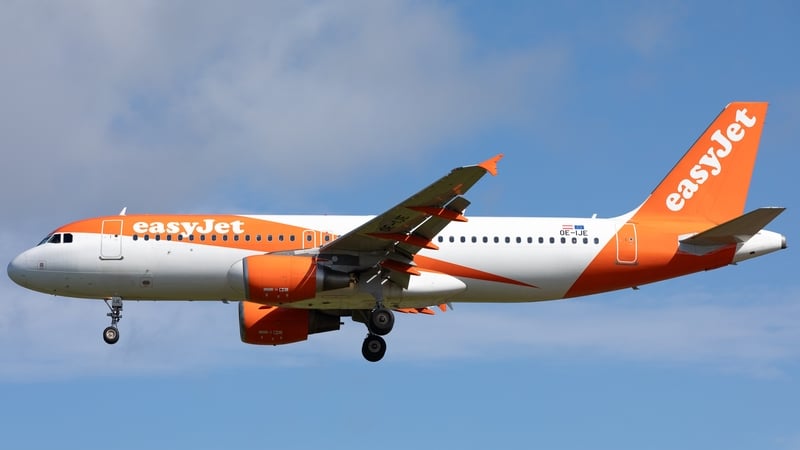
British budget airline EasyJet has today reported a first-half loss of £552m, and said its full-year outlook remains uncertain as the Iran war drives up fuel costs and bookings weaken for the peak summer season.
The warning comes as the Iran conflict continues to disrupt global aviation, sending jet fuel prices up more than 80% since late February and forcing airlines to raise fares, cut capacity or absorb margin pressure as flows through the Strait of Hormuz are constrained.
European airlines have downgraded profit expectations in recent weeks as the prospect of a prolonged conflict pushes fuel costs higher, particularly as hedges expire.
Easyjet’s first-half loss of £552m was broadly in line with the £540-560m loss it had warned of in April.
“Our strategy is clear – through disciplined growth, accelerated upgrading, and continued expansion of easyJet holidays, we aim to bounce back from this year’s Middle East-related setbacks,” chief executive Kenton Jarvis said in a statement.
Shares were up 1.7% today as analysts and investors pointed to stability and few surprises in easyJet’s results.
Analysts flagged fuel costs as a major risk.
“This is where things look dicey. The company’s 72% hedge at $726 offers it some protection, but not immunity. With the spot price sitting at $1,350 and each $100 movement equating to around £35m in fuel costs, EasyJet is looking a little exposed,” Duncan Ferris, investment writer at Freetrade, said in a note.
Jarvis told reporters on a media call that EasyJet was renewing hedges farther out, as the prices then were lower than the current spot price.
He also reiterated that hedging into summer and winter would shield the carrier from volatility.
Second-half bookings were 58% sold, reflecting a shift in consumer behaviour as travellers book closer to departure and opt for destinations nearer to home.
The airline said in-month bookings remained strong on a year-on-year basis, pointing to a continued move toward later booking patterns.
The carrier has already begun reallocating capacity toward domestic and city routes to respond to weaker demand for longer-haul eastern Mediterranean destinations. It also plans to launch a loyalty programme in 2027 aimed at strengthening customer retention.