
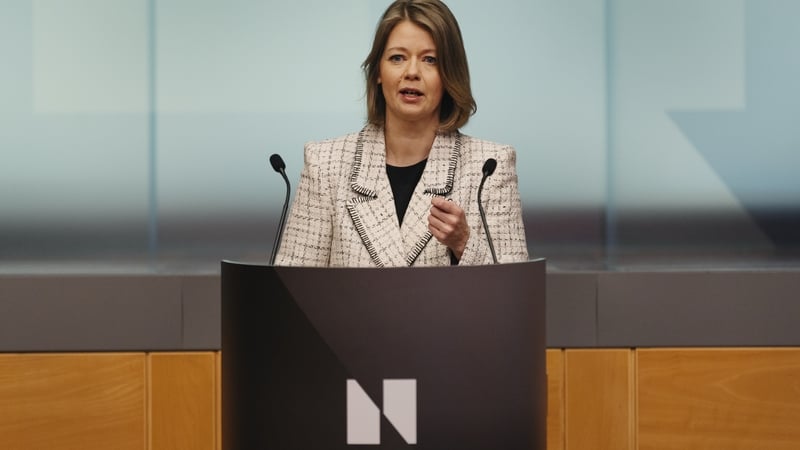
Norway’s central bank has today raised its policy interest rate by 25 basis points to 4.25%, moving sooner than analysts in a Reuters poll had expected, to quell inflation pressure driven by strong wage growth and high energy costs.
“Inflation is too high and has run above target for several years,” Governor Ida Wolden Bache said in a statement, adding it was expected to remain elevated.
Norway’s annual core inflation rate stood at 3% year-on-year in March, slightly lower than forecast but well above the central bank’s target of 2%
Norway’s central bank policy committee cut rates twice last year and in December signalled further cuts in 2026, but has since changed course on concerns over domestic inflation as well as higher energy prices due to the Iran war.
A majority of respondents, 15 of the 23 economists in the Reuters poll conducted ahead of the announcement, had said Norges Bank would keep the policy rate on hold today, while the remaining eight expected a 25-basis-point hike.
All but three respondents said they expected the central bank to raise rates by the end of June.
“The monetary policy outlook does not appear to have changed materially since the monetary policy meeting in March, but there is substantial uncertainty about future economic developments,” the bank said in the statement.
Norges Bank has said in recent months it plans to raise borrowing costs this year despite criticism from labour unions, who say tighter monetary policy at this time could do more harm than good by driving up unemployment.
Sweden’s central bank earlier today kept its policy rate unchanged at 1.75%, as expected, and said the risk that the war in the Middle East will lead to higher inflation had increased somewhat.
Australia’s central bank earlier this week raised rates for a third time this year, returning borrowing costs to post-pandemic highs and warning that inflation would remain sticky as the conflict in the Middle East triggered a global oil shock.