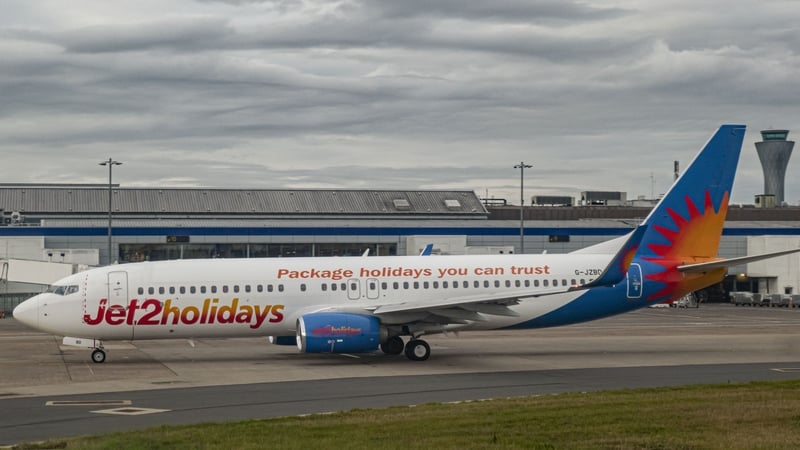
Jet2 has today reported an 18% drop in first-half profit and cut its winter flying programme, joining rivals across Europe in trimming capacity as higher jet fuel costs squeeze margins and point to rising air fares next summer.
Airlines are grappling with volatile fuel prices and geopolitical uncertainty, prompting them to adjust fares, hedge fuel costs and manage capacity to protect profitability.
The airline’s CEO Steve Heapy said higher sustainability and carbon taxes imposed by the British government were also increasing costs.
“There are a number of pressures, some caused by the market and some caused by the constant, incessant increase in taxation levied by the government in various forms,” Heapy told journalists on a post-earnings call.
Chief Financial Officer Gary Brown said the additional costs would filter through to fares over time.
Jet2 said profit in the six months to September was hurt by lower ticket prices as airlines discounted fares to fill seats amid uncertainty over the Middle East conflict.
For the winter season, its flight-only ticket yields are modestly below last year’s level at this stage, while pricing for package holidays remains resilient.
Britain’s third-largest airline said 91% of its winter fuel requirements were hedged at $880 per metric ton and 50% of next summer’s requirements at $837 per ton.
Jet2 said it was too early to provide full-year profit guidance because of uncertainty around bookings and fuel prices.
The company has cut winter capacity by 240,000 seats since early September, with capacity outside London Gatwick down 3.6%.
Heapy said the reductions were not focused on specific destinations but reflected bookings trends, consumer sentiment and elevated fuel prices.
Davy analyst Ava Costello said the key issue for summer 2027 would be whether increased capacity at Gatwick could be absorbed without the fare discounting needed to fill flight-only seats this year.