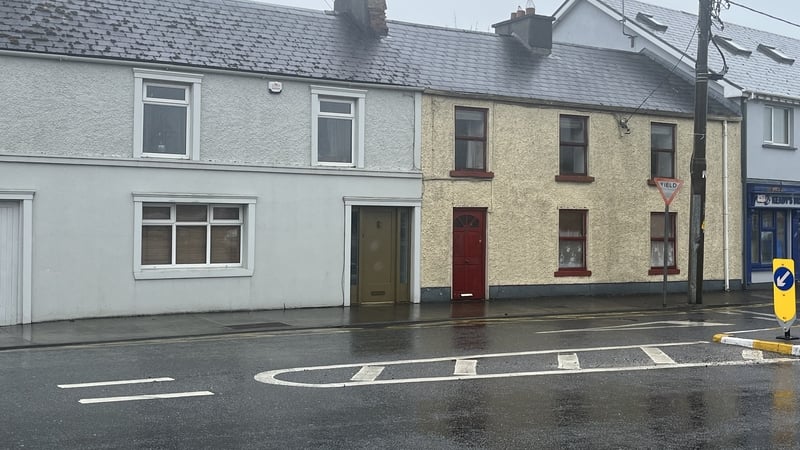
Owners of derelict properties will be a hit with a tax of seven per cent of their value if they fail to take remedial action as the Coalition enlists the Revenue Commissioners to help tackle dereliction in cities and towns nationwide.
Tánaiste and Minister for Finance Simon Harris will this week confirm how a new Derelict Property Tax will apply at a 7 per cent rate; the same rate as the outgoing derelict sites levy.
The old levy system was imposed by local authorities but came in for criticism for its effectiveness.
From January, local authorities will be legally obliged to draw up registers of derelict buildings in their areas to forward to the Revenue Commissioners, who will now administer the charge instead for the first time.
Local authorities will publish new preliminary derelict site registers nationwide by September 2027.
Property owners will then have until June 2028 to take action to remediate the property or else pay a penalty to Revenue.
This means that while the new tax will come into effect in the new year, the first payments will not be due until halfway through 2028.
Coalition sources argue the new tax is predominantly designed to achieve “behavioural change” but opposition politicians are likely to latch on to how the new tax will be applied at the same rate as the outgoing levy.
This tax will initially apply to properties located in urban areas with populations of 4,000 or more.
This encompasses 107 cities and towns across the State, including Dublin, Cork, Limerick and Galway cities, as well as towns like Drogheda, Dundalk, Navan, Sligo and Roscommon.
A second phase will then extend the measure to a further 64 towns with populations of 2,000 or more. This will bring the total number of locations covered to 171.
There will also be an appeals system rolled out, which will be overseen by appeals officers within local authorities
The Finance Bill will be debated in the Dáil this week and will confirm the decision to apply the tax at a seven per cent rate.
This means that an owner with a derelict property valued at €300,000 will be hit with a tax bill of over €20,000.
The Finance Bill to come before the Dáil contains 79 sections spanning approximately 237 pages, covering taxation measures for households, property owners, businesses, farmers and investors.


