Updated / Thursday, 8 Oct 2026 00:00

Garda Commissioner Justin Kelly has said the force needed an extra €20 million last year – in addition to its allocation of €2.3 billion – because of additional recruits and the need to respond to significant operational demands.
These included increased protest activity and the major policing and security operation associated with the visit of Ukrainian President Volodymyr Zelensky in December.
Mr Kelly will tell the Oireachtas Public Accounts Committee today that the funding supported continued investment in personnel, equipment, technology and operational capability.
The vast majority of An Garda Síochána’s budget is spent on pay, which increased by 4% last year, because of the implementation of a national pay agreement and an increase in garda numbers.
The fleet – of 3,650 – is the highest it has been, including 300 electric vehicles.
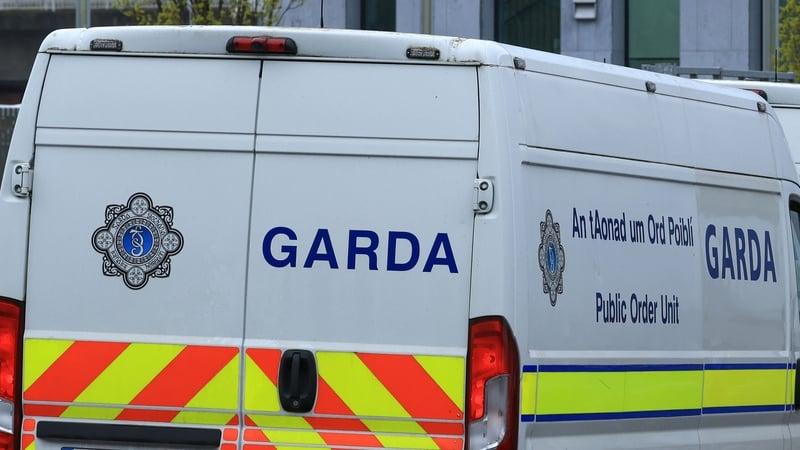
An Garda Síochána bought new cars, an aeroplane, helicopters, an armoured vehicle for the emergency and armed response units, equipment for public order units and rigid hull inflatable boats for the Water Unit.
Some 618 gardaí were attested last year, which the commissioner says marked the highest number of new allocations in seven years, bringing numbers to over 14,400.
Another 200 are due to graduate next week.

Gardaí and members of the public received more than €30m in compensation last year, an overspend of almost €14m.
The figure included a payment of more than €250,000 to a detective who was suspended for three years after he gave a man the lend of a bicycle during the Covid-19 pandemic.
More than €1.2m was spent on witness protection, an increase of over €500,000, because of a rise in demands for the service, including from former Hutch group member Jonathan Dowdall.
There was an underspend of over €1m on the Garda Reserve because recruitment targets were not met and not all reservists worked sufficient hours to be eligible for an allowance payment.
Commissioner Kelly will also tell the committee there has been a change in the way that major policing events are managed.
Where organisational booking of accommodation is required, it operates on an exceptional basis and is subject to senior-level approval, documented justification, oversight and controls.
Non-compliance with procurement rules was identified in respect of 69 contracts last year – a total value of €13m (excluding VAT) – but Mr Kelly will say that updated procurement policies and procedures were introduced by the force this year.
These, he says, are supported by a centralised contracts register, enhanced monitoring of expenditure, and improved processes for identifying and reporting non-compliant procurement.
More stories on