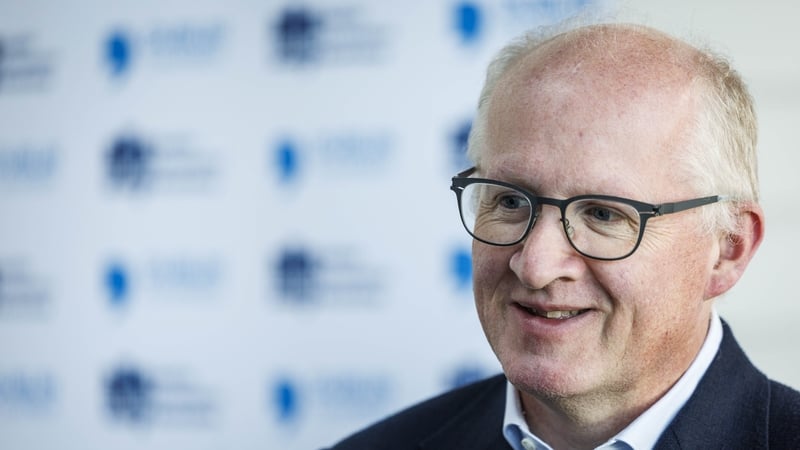
Surging energy costs, higher yields and shrinking budget support could all weigh on economic growth and may limit how much the European Central Bank needs to tighten policy to quell price pressures, Philip Lane, the bank’s chief economist, said today.
The ECB has raised interest rates twice this summer as inflation surged to nearly twice its 2% target,and policymakers are now debating just how much more they would have to do given high energy costs and surprisingly resilient growth.
Professor Philip Lane said that while the recent wave of energy price increases was creating a clear upside risk for inflation, other factors were proving a drag, so the bank’s policy of a “measured” response to high inflation remained appropriate.
Among the drags, he said high energy costs, lower budget support and the recent surge in market-based borrowing costs would all weigh on the economy by curbing demand.
“While growth has been holding up this year, the fiscal impulse is projected to turn from positive in 2026 to negative in 2027 and 2028, and the notable recent increases in long-term interest rates will slow growth and reduce pass-through by more than projected,” he told a conference in Frankfurt.
The jump in AI-related investment was a positive for the economy but tech companies were borrowing so heavily to fund their oversized investments that this added to the upward pressure on interest rates, Lane said.
“All else being equal, these ‘demand destruction’ channels can limit the required adjustment in the monetary stance to ensure the timely return of inflation to the target,” he said.
He, however, did not comment on the next policy move and said decisions will be taken meeting by meeting.
Financial markets see another two to three rate hikes from the ECB in the coming year but these expectations are highly volatile as four moves were fully priced in less than a week ago before an abrupt repricing.
Lane also argued that there has been no upward shift in medium-term inflation despite the near term surge, an argument Bundesbank President Joachim Nagel appeared to back.
“There are so far no clear signs that inflation has fed through to price and wage setting,” Nagel said in a speech in Sorrento in Italy. “Longer-term market-based and expert expectations remain consistent with the Eurosystem’s 2% inflation target.”
Inflation not yet setting off second-round effects – Nagel
Still, Nagel too warned that risks to inflation were to the upside as natural gas prices could still go higher, refinery capacity destruction put pressure on margins and food prices were also under upward pressure.
Inflation in the 21-nation currency bloc is now running at 3.8%, nearly double the ECB’s 2% target and could still increase, fuelling worries that soaring energy prices will eventually set off hard-to-break second-round effects, perpetuating rapid price growth without aggressive central bank action.
He said that longer-term market-based and expert expectations remain consistent with the Eurosystem’s 2% inflation target.
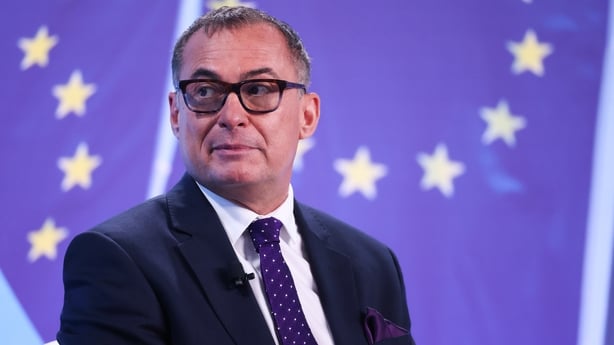
Still, Nagel did not sound the all-clear and warned that price pressures are expected to stay strong, even excluding volatile food and energy prices.
“Gas prices are especially vulnerable because storage levels are low, and Europe may need to buy substantially higher volumes during the winter,” Nagel told a precious metals conference.
“The destruction of refining capacity is driving up prices for refined petroleum products significantly. Drought, wildfires and fertiliser shortages also pose risks to food prices,” Nagel added.
This long list of risks is why financial markets expect the ECB to raise its 2.5% deposit rate another two or three times in the coming year on top of two hikes this past summer.
Nagel, however, did not endorse market bets and merely said the ECB needed to be flexible and continue to make decisions based on incoming data.
Markets are pricing in a 20% chance of an interest-rate hike by the ECB in October and an 80% chance of an increase in December, according to LSEG data.
Speaking about rising yields, Nagel said this was increasing the relative attractiveness of bonds among reserve asset managers.
However, the case for diversification into gold remains significant given continued geopolitical stress and the credit risk associated with high debt levels, he added.