
Annual consumer price inflation rose to a three-year high of 3.9% in August from 3.4% a month earlier after a jump in energy prices, a flash estimate of the harmonised index of consumer prices from the Central Statistics Office shows today.
Prices rose 0.2% month-on-month from August to September, the CSO said.
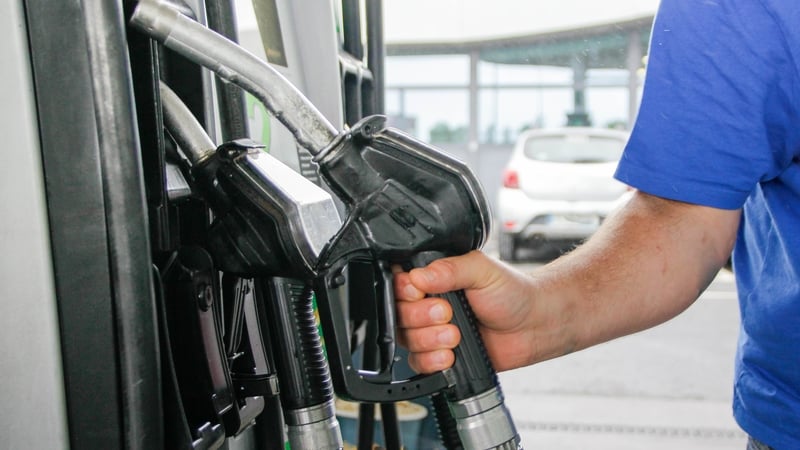
The CSO said that energy prices are estimated to have increased by 2.9% in the month and have gone up by 15.3% over the 12 months to September.
Food prices are estimated to have remained unchanged in the last month and grown by 0.3% since September last year.
Meanwhile, excluding energy and unprocessed food, annual price growth rose to 2.8% from 2.6% in August, the CSO added.
Eurostat is due to publish flash estimates of euro zone inflation for September tomorrow.
Kate English, chief economist at Deloitte Ireland, said there will be greater energy demand as winter approaches and so it is difficult to see energy costs doing anything other than remaining elevated.
She noted that energy prices rose here by 2.9% in the last month alone, reflecting higher prices in energy markets, namely oil, that had dissipated somewhat over the summer.
The economist said that while food prices remained unchanged in September, there is a lag between fuel price increases and subsequent food price increases of typically eight to ten months, based on Central Bank of Ireland estimates.
“Energy prices rose significantly back in March, which means that the second-round effects (in the form of higher food prices) may begin to rear their heads from late October onwards,” she suggested.
She said that inflation seems to be here to stay and that will have a negative impact on individuals, households and businesses, but added that while prices have risen, it is at a lower pace than perhaps expected to date.
“Time continues to be the key variable. The longer we see inflated energy prices, the more likely we are to see secondary and indirect impacts,” she added.