
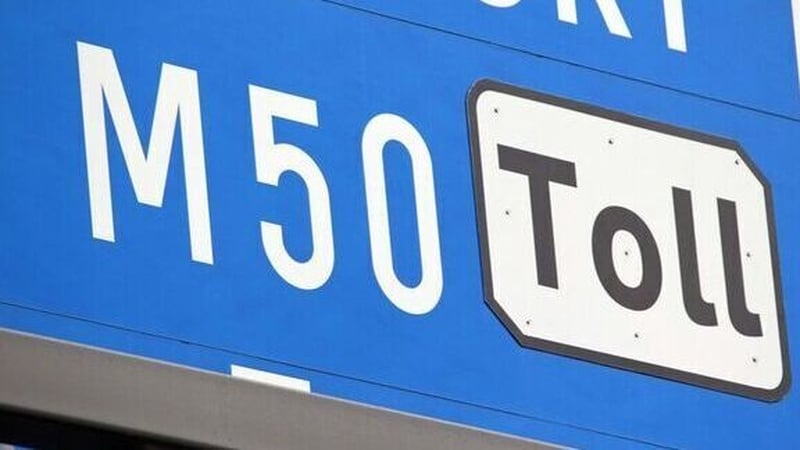
The joint venture firm that operates the controversial M50 e-flow toll for Transport Infrastructure Ireland (TII) returned to a pre-tax profit last year of €668,601 on the back of record traffic levels on the M50.
New accounts filed by Turas Mobility Services Ltd show that the pre-tax profit of €668,601 followed a pre-tax loss of €812,108 in 2024 – a positive swing of €1.48m.
This followed revenues at the firm rising by 6% from €29.02m to €30.78m.
The company’s operating profits increased more than four fold from €433,541 to €1.95m.
Net interest payments of €1.28m reduced profits to a pre-tax profit of €668,601.
The profit by Turas Mobility Service takes account of substantial non-cash depreciation and amortisation services last year of €5.19m made up of amortisation costs of €4.43m and depreciation costs of €766,624.
Numbers employed by the company last year decreased by one to 37 as staff costs increased from €3.38m to €3.66m.
The return to profit for the company coincided with record levels of traffic on the M50 with 1.72 billion vehicle km travelled on the route – a 2% increase on 2024.
A report by TII shows that the highest daily flow on the M50 in 2025 was on June 26 with 189,590 journeys recorded on the M50 between the N3-N2.
The TII National Road and Greenway Indicators Report 2025 states that the M50 remains the busiest road in Ireland, with traffic volumes exceeding 150,000 vehicles a day on multiple sections “underscoring its critical role in supporting regional, national and international movement”.
On January 1, 2025, TII M50 introduced a 10 cent increase for cars, buses, coaches, and lighter goods vehicles that do not have a tag or video account.
In 2019, TII awarded the contract to operate the tolling system to a partnership of the Cork headquartered Abtran and French road-builder Vinci.
At the time Vinci valued the deal at €373m and new accounts show that Abtran ULC last year charged Turas Mobility Services Ltd €8.14m and the charges relate to the provision of business services and interest charges.
Today’s figures show that directors’ pay last year remained at €103,200.
Addressing the company’s going concern status, the directors state that the directors have a reasonable expectation that the company has adequate cash resources to continue in operational existence for the foreseeable future.
They state that the company is supported by shareholder loans and management have received a letter of support from the shareholders confirming they will not seek repayment of any amounts owed until the company is in a financial position to do so.