The former CEO of Inland Fisheries Ireland has denied “pestering” its former human resources director for assurances on his future tenure at the agency to the point he asked her to meet privately and sign a prepared letter in a hotel car park.
Under cross-examination at the Workplace Relations Commission yesterday, Francis O’Donnell, who was dismissed early from his contract last year, called it an “appalling” proposition which he “absolutely refutes”.
The State agency’s lawyers told a hearing Róisín Bradley would say she quit her job in November 2023 because Mr O’Donnell was “pestering and hounding” her for a statement in writing assuring him he was entitled to return to his old job.
“Nobody pesters Róisín Bradley,” Mr O’Donnell said of the former human resources director at the State agency – calling her a person with a “strong personality”.
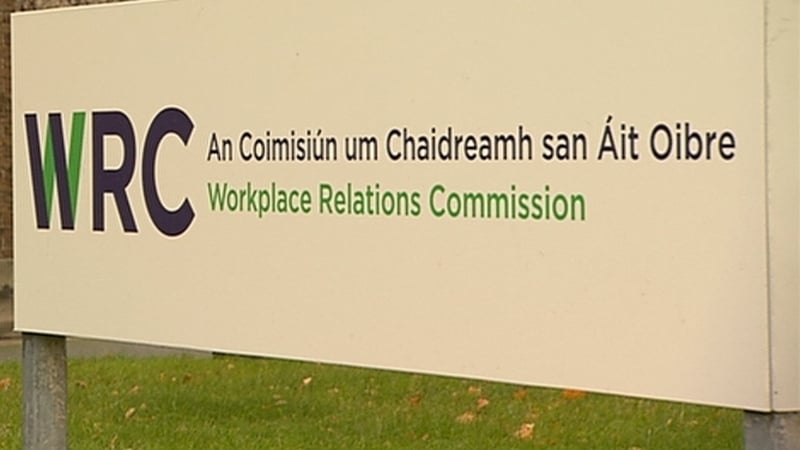
Mr O’Donnell was giving evidence for a fourth day at the employment tribunal on his complaints under the Unfair Dismissals Act 1977 and the Protected Disclosures Act 2014 against Inland Fisheries Ireland (IFI), following his dismissal in June 2025.
Mr O’Donnell was promoted to the CEO’s position in 2020, having previously worked as Western River Basin Director, a post at higher assistant principal officer grade, the tribunal has heard.
His position is that there was a precedent set in IFI when a previous CEO returned to his old post after stepping down, and that he was entitled to the same treatment at the end of his five-year term.
He cited a December 2025 email from Ms Bradley in support of this position, the tribunal heard.
In June 2025, the Department of the Environment triggered the termination of Mr O’Donnell’s contract on a “no-fault” basis, and later told him he had “no right to future employment with IFI”, the WRC has heard.
Counsel for the respondent Tiernan Lowey BL told Mr O’Donnell: “Ms Bradley’s evidence will be that she handed in her notice in November 2023 and she attributed her resignation to you pestering and hounding her to give you a document that you were given these assurances regarding the director role,” Mr Lowey said.
“If Róisín Bradley was of that belief it was open to her to say that to the board,” Mr O’Donnell replied.
He went on to say said Ms Bradley was a high performer with whom he had enjoyed a strong working relationship.
“There’s nothing to support what you’re saying. [It was] never documented and I don’t think there’s anyone at IFI that ever witnessed that. I absolutely refute that,” he said.
He added that he had afforded Ms Bradley an “extremely flexible” working pattern and let her work from Portugal during the Covid-19 pandemic when her mother had been unwell.
“That’s not a CEO pestering someone. I find it appalling you would say that, and I look forward to her coming to say that,” he added.
Mr Lowey said Ms Bradley would tell the tribunal she and Mr O’Donnell had met at a hotel in Athlone where he “requested her to sign a letter that you had drafted” in October or November 2023.
“Of course I could have met her but not for the reason you’re suggesting,” Mr O’Donnell said.
“You never prepared a document asking her to sign,” counsel said.
“That was my evidence yesterday,” the complainant said.
“You asked to speak to her privately in the car park,” Mr Lowey said.
“Absolutely not,” Mr O’Donnell said.
“You then produced a prepared, unsigned, undated letter and asked Ms Bradley to sign it,” counsel said.
“That’s not true,” Mr O’Donnell said.
Mr Lowey produced a photo of a letter which he submitted Mr O’Donnell had given Ms Bradley in the car park.
“I didn’t prepare that document,” Mr O’Donnell said.
Mr Lowey said it would be Ms Bradley’s evidence that Mr O’Donnell “bombarded her with calls, texts and communications in person about providing some type of written assurance regarding a right to return to a previous director role”. Mr O’Donnell said this “never happened”.
Mr O’Donnell’s case is that allegations raised in a protected disclosure against him were designed to pressure him into ending his pursuit of what he called “significant theft and fraud” in the organisation.
He says he was subject to harassment and leaks to the media of what he says were “untrue” and “very damaging” allegations about him – as well as “interference by numerous political actors up to a very high level”.
The case, before adjudication officer Michael MacNamee, continues today.