Oil prices rise as US, allies discuss efforts to open Strait of Hormuz
Updated / Saturday, 21 Mar 2026 11:01
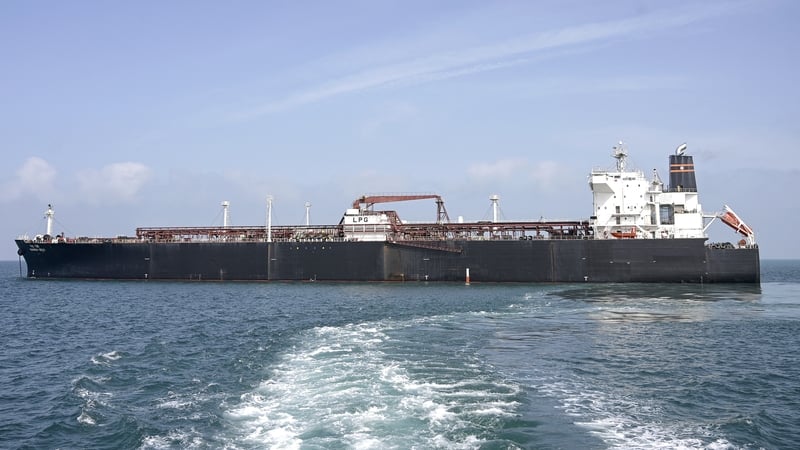
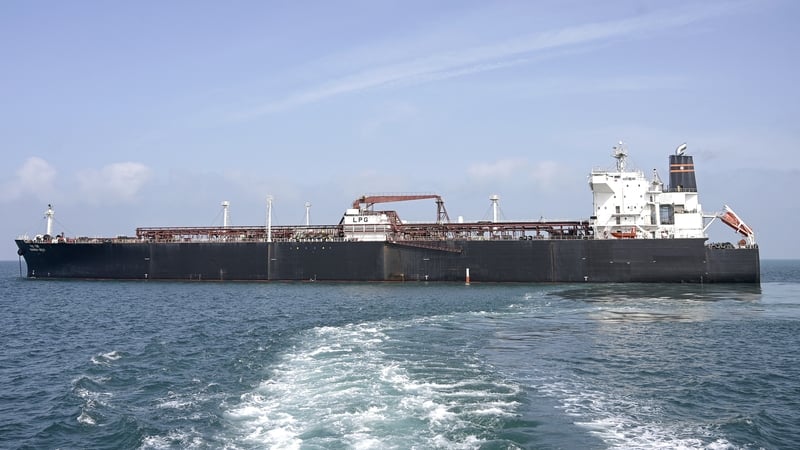
Oil prices rose again today despite the US outlining moves to manage the oil supply crisis, while leading European nations, Japan and Canada offered to join efforts to secure safe passage for ships through the Strait of Hormuz.
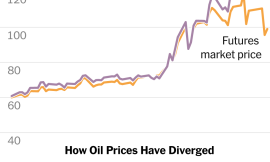
Brent futures for May rose $2.17, or 2%, to $110.82 a barrel by Friday afternoon.
US West Texas Intermediate (WTI) crude futures for April, which expire on Friday, were up $2.45, or 2.5%, to $98.
At those levels, Brent was heading for a 5.6% weekly gain,
Israel and Iran traded fresh attacks, following a hit on an oil refinery in Kuwait.
US Energy Secretary Chris Wright said that removing oil sanctions on stranded waterborne Iranian cargoes would get supplies to Asia in three to four days.
He added that more oil is needed in Asia and that the US is playing a part in a coordinated release from strategic reserves. Releases will occur over the next few months, Wright said.
His comments came after US Treasury Secretary Scott Bessent said the US may soon remove sanctions from Iranian oil stranded on tankers, and said a further release of crude from the US Strategic Petroleum Reserve was possible.
Also yesterday, Britain, France, Germany, Italy, the Netherlands and Japan expressed their “readiness to contribute to appropriate efforts to ensure safe passage through the Strait” in a joint statement.
Analysts continued to view an outlook for elevated prices as long as traffic through the Strait, through which 20% of the world’s oil and LNG transits, is disrupted.
“The potential for a quick reversal in energy prices is unlikely because damage has been done to production,” said Ole Hansen, the head of commodity strategy at Saxo Bank. “The fact on the ground remains that we have a tight market.”
“As long as the flow of oil through the Strait of Hormuz remains restricted, the path of least resistance for crude prices remains to upside, in my view,” UBS analyst, Giovanni Staunovo said.

International Energy Agency (IEA) chief Fatih Birol warned that it could take up to six months to restore oil and gas flows from the Middle East Gulf, and that politicians and markets were underestimating the scale of disruption, he said in an interview with the Financial Times.
Further supply disruption could be possible as the Trump administration is considering plans to occupy or blockade Iran’s Kharg Island to pressure Iran to reopen the Strait of Hormuz, Axios reported
Brent jumped higher than $119 a barrel yesterday, coming close to a March 9 peak, after Iran responded to an Israeli attack on a major gas field by knocking out 17% of Qatar’s LNG capacity, causing damage that will take up to five years to repair.
US President Donald Trump said he told Israel not to repeat attacks on Iranian gas infrastructure.
Israeli Prime Minister Benjamin Netanyahu said his country had acted alone in the attack and Iran no longer has the capacity to enrich uranium or make ballistic missiles.