Analysis: The price of a pint of plain in Irish pubs has increased at a much higher rate than headline inflation over the past three years
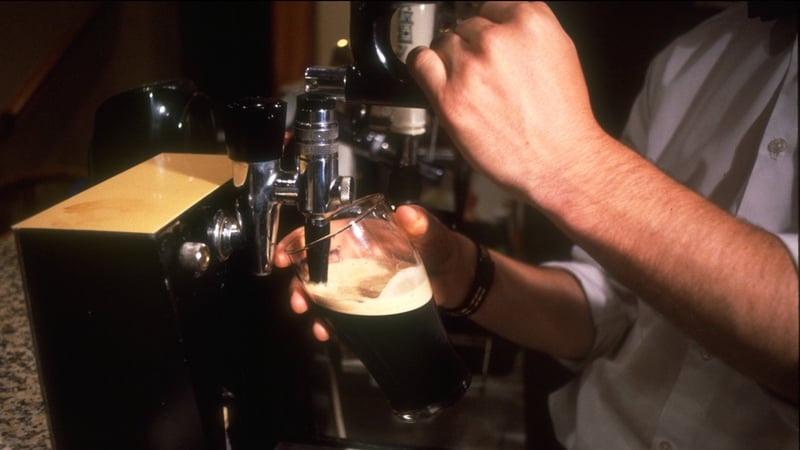
Those currently doing Dry January will return to pubs next month to find the price of a pint has increased once again. Earlier this week, Diageo announced that the wholesale price of a pint of Guinness will increase by 7 cents on February 3rd. Ireland already has the highest price level for alcohol and tobacco in the EU, more than double the EU average, and only Norway and Iceland within the EEA are more expensive. With the cost of living a big concern for most Irish adults, why are pints so pricey in this country, and can (or should) anything be done to address this?
Irish publicans were quick to criticise Diageo for the price increase, their fifth price hike in the last three years. Cumulatively, these increases amount to an additional 35 cents on the wholesale price of Guinness. However, CSO data shows that the average price of a pint in Ireland has risen by 92 cents over the same time period so the wholesale price increase makes up less than half of the total price increase, about 38%.
We need your consent to load this rte-player contentWe use rte-player to manage extra content that can set cookies on your device and collect data about your activity. Please review their details and accept them to load the content.Manage Preferences
From RTÉ Radio 1’s Late Debate, Matt Carthy TD (Sinn Fein), Senator Patricia Stephenson (Social Democrats), Séamus McGrath. TD (Fianna Fáil) and Muiris Ó Cearbhaill (Daily Mail) discuss the latest rise in the price of a pint
There are clearly then other contributing factors to the price inflation faced by consumers. In their statement, Diageo pointed to ‘industry wide cost pressures’. Increases in labour costs and inflation across the supply chain, particularly increased energy costs, will have eroded profit margins, necessitating price increases. This of course is true for publicans as well as for Diageo, meaning that the cost of a pint at the taps will likely increase by multiples of the wholesale price increase.
Although these cost pressures are impacting all business, the price of pints has increased at a much higher rate than headline inflation over the past three years. Data from November 2025 shows that the average price of a pint of stout in Ireland is now €6.08, an increase of 18% since Nov 2022. In comparison, the Consumer Price Index (CPI), which monitors the price of a basket of 612 goods typically bought by Irish households, increased by 8.25%, less than half of the increase in the price of stout .
From RTÉ News, publicans react to increases in the price of Guineess by Diageo in 2024
One factor that might explain this is the large variation in prices of pints across the country. The CSO monitors price levels by extensively surveying the prices of goods across all locations in the country. For typical consumer goods in the CPI basket, like bread or milk, there might be slight variations in prices depending on where in Ireland you purchase them, but there are huge variations in the price of a pint depending on what pub you’re in.
For example, one recent study found that Guinness was on average €2 more expensive in Dublin than in Westmeath, and revellers in Dublin’s Temple Bar on St Patricks Day last year were paying up to €10.45 for a pint of the black stuff. Popular, high demand locations can extract higher prices from consumers who are willing to pay more for pints at particular times or in particular places. These high price pints drag up the average prices, leading to a higher headline rate of pint price inflation.
We need your consent to load this rte-player contentWe use rte-player to manage extra content that can set cookies on your device and collect data about your activity. Please review their details and accept them to load the content.Manage Preferences
From RTÉ Archives, a 1967 episode of Newsbeat finds the cheapest pints in Ireland to be in North Kerry
Another factor to consider in consumers’ willingness to pay for pints is how much disposable income they have. While Ireland is an expensive country compared to our European counterparts, we also have higher wages, with average annual full time salaries the third highest in the EU. In the same time period that the price of pints of stout increased by 18%, average weekly earnings increased by 16%. While there has been a significant increase in the price of a pint, increases in consumers’ purchasing power have almost kept pace. Although there are distributional effects (ie some people will have seen wage decreases or increases below this level), people on average can afford to pay the higher cost of a pint.
But unlike other goods that have seen price increases, the high cost of alcohol in Ireland is partly a policy choice. Consuming alcohol increases an individual’s risk of developing numerous cancers, is addictive, associated with anti-social behaviour, and is a factor in an estimated 70% of domestic violence incidents in Ireland. These factors lead to what economists call negative externalities associated with the consumption of alcohol.
We need your consent to load this rte-player contentWe use rte-player to manage extra content that can set cookies on your device and collect data about your activity. Please review their details and accept them to load the content.Manage Preferences
From RTÉ Radio 1’s News At One, the December 2025 consumer price index shows further evidence of the continuing rise in the cost of living
The negative impact of alcohol is not just on individual consumers but on all individuals in society, through increased cost burdens on public services such as health and justice, and negative impacts on society more broadly. Without government intervention, the consumption of goods with negative externalities is generally too high, because individuals don’t take into account these societal costs when choosing how much to consume. Policies like minimum unit pricing for alcohol, which was introduced here in 2022, together with high excise duties (about 55 cent on a pint), purposely increase the price of alcohol in order to lower consumption.
Heavy drinking in Ireland remains a problem. This is despite a drinks industry report last year, which found that alcohol consumption per adult fell by 4.5% in 2024, continuing a trend that has seen a 34% drop in consumption since 2001. However, a Healthy Ireland Survey published last year found that binge drinking is actually on the increase, with more than a quarter (28%) of Irish adults reporting that on a typical drinking occasion they drink six standard drinks or more. Additionally, gardaí reported that over 400 people were arrested for drink driving over the recent Christmas period, in a year that saw 190 deaths on Irish roads.
Although pints in Ireland are pricey, so is everything else. While there are arguments for the Government to support lower income households with the higher cost of essentials like food and energy, intervening to decrease the price of a pint should not be a consideration. If the higher cost of pints reduces consumption that’s not actually a bad thing. Moreover, even when it comes to pints, what’s seldom is wonderful – and also cheaper.
Follow RTÉ Brainstorm on WhatsApp and Instagram for more stories and updates
The views expressed here are those of the author and do not represent or reflect the views of RTÉ. Drink responsibly